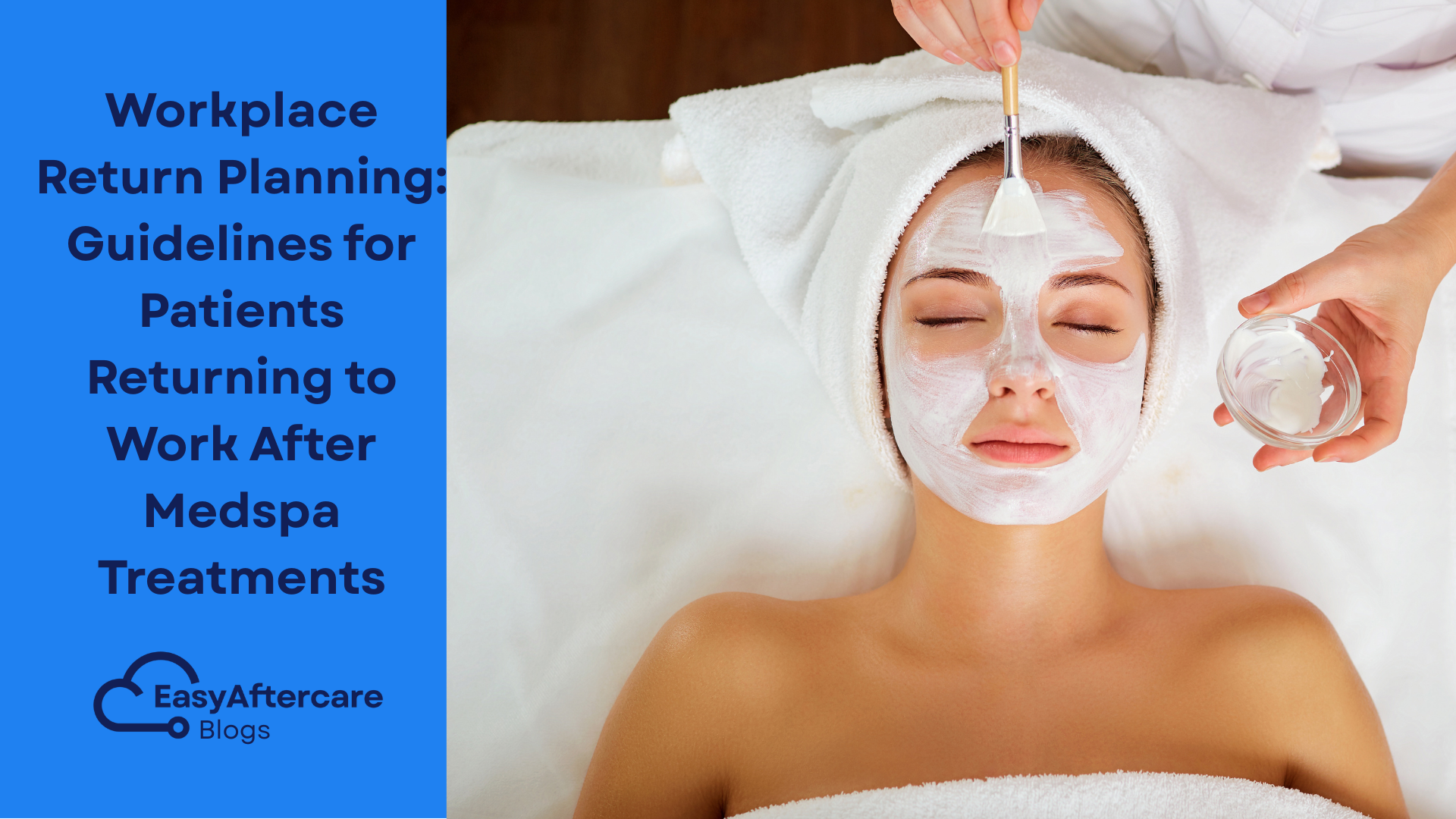
In today’s image-conscious world, medspa treatments have become a common part of many people’s self-care routines. From Botox and dermal fillers to laser treatments and chemical peels, these minimally invasive procedures offer aesthetic benefits with relatively little downtime.
However, returning to work after a medspa treatment still requires thoughtful planning, especially if your profession involves public interaction, physical activity, or a busy meeting schedule.
Here’s a practical guide for patients and employers alike on how to approach workplace return planning after medspa procedures.
Know the Procedure and Its Downtime
Not all medspa treatments are created equal when it comes to recovery. Some are “lunchtime procedures” that let you walk out and return to work right away, while others require a bit more recovery time.
Here’s a quick overview:
- Botox & Dysport: These neuromodulators typically cause minimal swelling or bruising. Most patients return to work the same day or the following morning.
- Dermal Fillers: Mild swelling and bruising are common and can last a few days. You might want to schedule these before a weekend or remote work period.
- Laser Skin Treatments (e.g., IPL, Fraxel): These can cause redness, peeling, or sensitivity. Recovery may take 3–7 days, depending on intensity.
- Chemical Peels: Light peels have little downtime, but medium to deep peels may require several days of healing.
- Microneedling or RF Microneedling: Expect redness and possible flaking for 24–72 hours.
Before booking your treatment, ask your provider about the expected recovery timeline so you can coordinate your return to work effectively.
Plan Around Your Calendar
One of the most overlooked aspects of workplace return planning is timing. If you have a big meeting, conference, or video presentation, it’s smart to plan your treatment for a time when you can afford a recovery buffer.
Tips:
- Avoid scheduling high-visibility events within 48–72 hours of treatments that may cause redness or bruising.
- Consider Friday afternoon appointments if you want the weekend to recover.
- Use remote work flexibility (if available) to recover at home with minimal exposure.
Dress and Prepare Accordingly
Some treatments may leave visible signs for a few days. You can often minimize attention with a few simple adjustments:
- Wear loose or breathable clothing if you've had body treatments (e.g., CoolSculpting or laser hair removal).
- Wear sunscreen daily, as many skin treatments increase sun sensitivity.
- Bring a hat or scarf if facial swelling or redness is expected and you need to be in public.
It’s all about planning ahead so you feel confident and comfortable upon your return.
Know Your Job Demands
Jobs that are physically demanding or expose you to heat, sweat, or potential contaminants may require more careful planning than desk-based roles. Here are a few considerations:
- Avoid strenuous exercise or heavy lifting for at least 24–48 hours after most medspa treatments, especially injectables or laser therapy.
- If you work in healthcare, food service, or construction, make sure you protect treated areas from germs, friction, or harsh environmental factors.
- Stay hydrated and avoid alcohol—it helps minimize swelling and speeds up healing.
Let your provider know what kind of work you do. They can give tailored advice based on your job’s physical or environmental demands.
Communicate with Your Employer If Needed
While medspa treatments are personal, in some cases, it might be worth discussing your recovery plan with your manager or HR, especially if you need remote work flexibility or modified duties for a few days. This is particularly helpful if:
- You anticipate needing time off.
- Your role is highly client-facing.
- You’re undergoing a series of treatments that require repeated appointments.
Clear communication ensures expectations are managed on both sides and supports a smooth transition back to work.
Post-Treatment Self-Care Tips for the Workday
Even after you're back at work, supporting your skin’s healing process is key. Here are some office-friendly recovery tips:
- Keep a gentle moisturizer or hydrating mist at your desk to combat dryness.
- Avoid touching your face—especially after injectables or microneedling.
- Take short breaks from screens to reduce eye strain and skin fatigue.
- Use blue light-blocking skincare if recommended, especially after laser treatments.
These small habits can make a big difference in your recovery and results.
Final Thoughts
Medspa treatments are a powerful way to invest in yourself, but they still come with recovery requirements that shouldn’t be ignored, especially when balancing a busy work schedule. By understanding your treatment’s effects, planning your calendar wisely, and adjusting your return-to-work strategy accordingly, you can ensure a smooth, confident, and stress-free reentry to the workplace.
Whether you're a seasoned medspa client or trying a treatment for the first time, thoughtful workplace return planning is key to maximizing your results while keeping professional life on track.
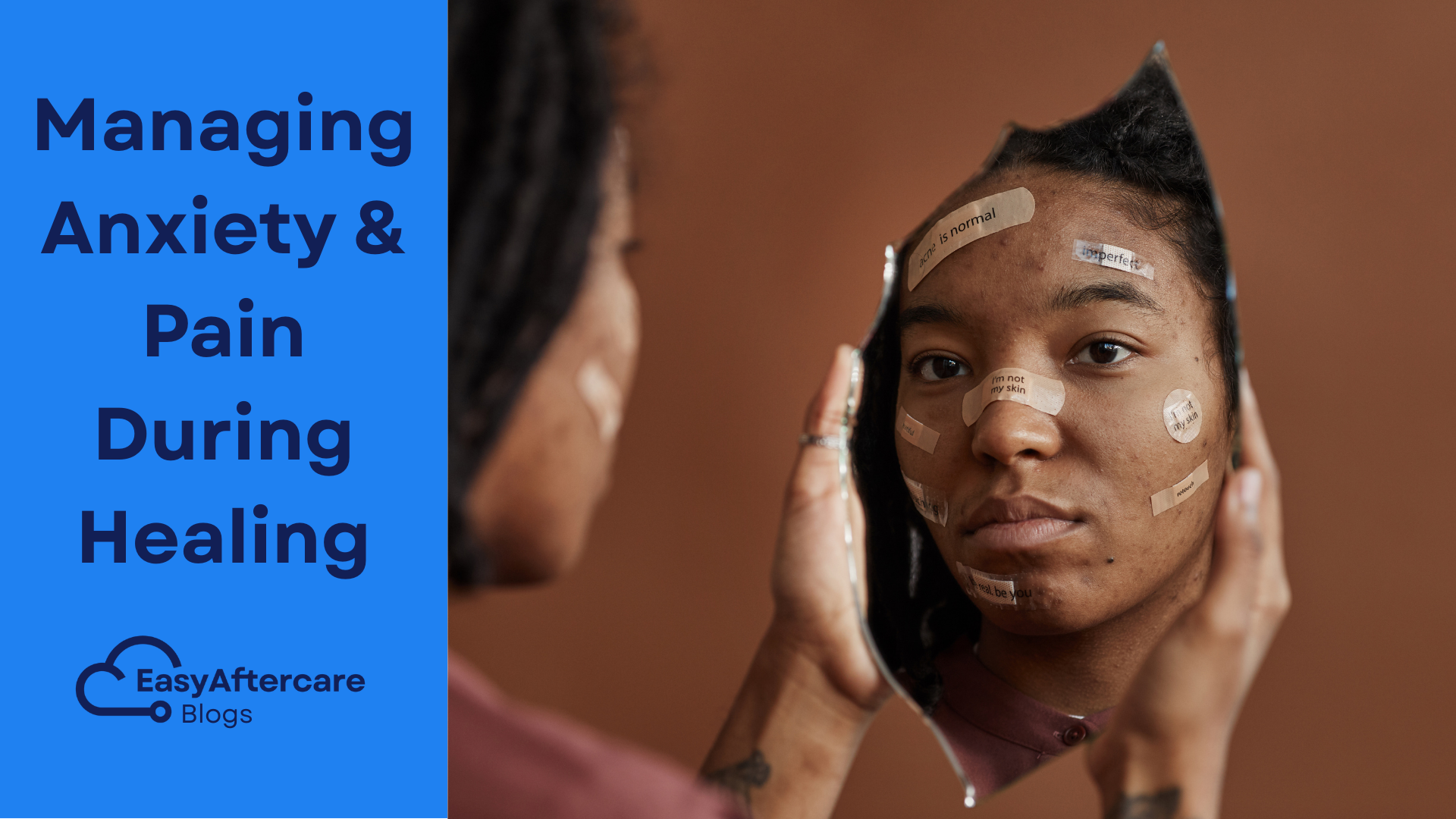
Healing is not just a physical process, it’s an emotional journey too. Whether you’re recovering from a laser treatment, a microneedling session, or a more intensive aesthetic procedure like PDO thread lifts or body contouring, managing anxiety and pain during the healing period is crucial for optimal results.
At a medspa, where science meets self-care, clients seek not only transformation but comfort and reassurance along the way. Here’s how anxiety and pain can be effectively managed throughout the healing process, and what medspas can do to support clients through it.
Understanding the Emotional Side of Healing
Many clients arrive at a medspa excited about their treatment but nervous about what follows. Will it hurt? What if something goes wrong? Will they look worse before they look better?
This is completely normal. Procedures like chemical peels, dermal fillers, or IPL photofacials often involve a brief but noticeable downtime. Swelling, redness, and tenderness can cause not just discomfort, but anxiety as well, especially for clients who are unfamiliar with the healing process.
Medspas can help alleviate this by preparing clients mentally and emotionally. Thorough pre-treatment consultations, honest discussions about what to expect, and real recovery timelines (not overly filtered social media versions), and a proactive aftercare process are essential.
Example: A client receiving microneedling for acne scars may panic when redness persists for more than 24 hours. If the provider has already explained that erythema can last up to 3 days, and automatically sends follow-up via text messages to provide daily reminders of what to expect, it reduces unnecessary stress and prevents phone calls driven by fear.
Non-Pharmacological Pain Management Techniques
While most medspa procedures are minimally invasive, there can still be discomfort during and after the process. Many clients want to avoid pain medications if possible, especially for cosmetic treatments. Fortunately, there are several non-pharmacological pain relief options that are medspa-friendly.
Topical Numbing Agents: Lidocaine-based creams are standard for treatments like microneedling, RF skin tightening, or tattoo removal. Apply in advance and give it time to work properly, don’t rush the process.
Cold Compresses: Post-treatment ice packs or cooling devices can significantly reduce swelling and discomfort after injectables or laser therapy. Many medspas now offer cryotherapy tools or cooling masks as part of post-care.
Red Light Therapy: Increasingly popular in medspas, low-level light therapy (LLLT) helps reduce inflammation and promote faster healing. This can ease both pain and anxiety by accelerating visible improvements.
Note: Always double check with your provider to see what aftercare treatments/routines they recommend!
Creating a Calm Environment
Anxiety is often tied to the environment where healing begins. Medspas have a unique opportunity to create calming, wellness-centered spaces where clients feel supported and relaxed.
Soothing Scents: Essential oils like lavender or eucalyptus in the treatment room can ease pre-treatment jitters.
Soft Music & Lighting: Gentle sounds and warm lighting can calm the nervous system and signal safety.
Professional but Personal Touch: A provider who explains the steps clearly and checks in throughout the procedure reduces fear dramatically.
Example: During a first-time Botox appointment, a medspa provider who talks through each injection, explains the “pinch” sensation, and reassures the client about post-treatment care creates a sense of control and safety. When including proactive aftercare follow-ups, you can significantly reduce anxiety during the healing process. .
Guided Recovery Support
Anxiety doesn’t end when the appointment does. Many clients go home and begin second-guessing the healing process. Is this bruise normal? Should it feel this sore?
To ease this, provide clear, proactive, and supportive aftercare materials. Ideally, these will be personalized for the treatment.
- Include FAQs about typical healing milestones (e.g., “Day 2-3: swelling may increase before it improves.”)
- Offer a phone number to call for the client to reach out if needed
- Encourage journaling or photos to track healing. This gives clients a sense of progress and control.
Example: For body sculpting treatments like Emsculpt or CoolSculpting, soreness may mimic post-workout muscle pain. Letting clients know this in advance, and offering hydration and light stretching tips, makes the discomfort feel purposeful rather than worrisome.
Emphasizing the Mind-Body Connection
Finally, acknowledge the link between stress and healing. Anxiety can heighten pain perception and even delay tissue recovery. Encourage holistic approaches to healing that support the nervous system and promote faster recovery.
Mindfulness & Breathing: Offer short breathing exercises before treatments.
Hydration & Nutrition: Healing skin and tissue need water and nutrients—don’t let clients overlook this.
Gentle Movement: Even light activity can reduce tension and boost circulation, helping treatments settle more naturally.
Final Thoughts
The medspa experience should feel as luxurious and healing emotionally as it is physically. By proactively addressing pain and anxiety, providers can enhance both the results and the client’s overall satisfaction.
Whether through calming environments, innovative aftercare, or simply being a reassuring voice, medspas can make the journey to rejuvenation a peaceful and empowered one. Because healing isn’t just about looking better. It’s about feeling safe, supported, and at ease every step of the way.

In today’s fast-paced world, patients expect more than just excellent clinical care. Patients expect clear communication, easy access to information, and support beyond the treatment chair. For medspas and dental practices alike, patient education has become a critical component of both safety and satisfaction. One of the most powerful ways to reduce post-treatment complications is ensuring that patients have access to accurate, timely, and digestible aftercare information.
From dermal fillers to dental implants, many aesthetic and dental procedures require careful post-procedure care to ensure optimal outcomes. When patients leave a clinic without clear guidance, or worse, forget the verbal instructions they were given in a rushed moment, they are far more likely to experience avoidable complications.
Fortunately, modern patient education tools are helping close that gap.
Why Aftercare Matters in Medspas and Dentistry
Unlike emergency or acute care, treatments at medspas and dental clinics are often highly personalized. Patients are typically seeking cosmetic improvements, restorative function, or both. This means expectations are high, and any unexpected side effect or complication can quickly sour the experience.
In medspas, treatments like chemical peels, laser resurfacing, microneedling, or injectables require specific post-care regimens. Failure to follow instructions, like avoiding sun exposure or refraining from touching treated areas, can lead to infections, bruising, pigmentation changes, or diminished results.
Similarly, in dentistry, aftercare is critical following procedures such as extractions, root canals, or implant surgeries. Improper care, such as not managing swelling or avoiding certain foods, can delay healing or even cause infection.
The Risk of Relying Solely on Verbal Aftercare Instructions
Studies show that patients forget up to 80% of what they're told during medical appointments. The stress of a procedure, the use of anesthesia, or simple distraction can make verbal aftercare instructions unreliable. Even printed materials can be lost or misunderstood.
This is where patient education tools come in. Specifically, digital tools that deliver instructions in accessible, easy-to-understand formats.
These tools aren’t just convenient, they’re also essential to improving outcomes and reducing risk.
What Do Effective Patient Education Tools Look Like?
Modern patient education solutions come in a variety of formats, but the best tools share several key features:
Clarity: Simple, jargon-free language that outlines what to expect, what to avoid, and when to seek help.
Accessibility: Information should be available 24/7, on any device, in multiple languages if possible.
Visual aids: Videos or diagrams are often more effective than text alone for showing wound care or hygiene techniques.
Personalization: Customized instructions based on the specific procedure, patient’s medical history, and provider preferences.
How This Translates to Fewer Complications
Let’s consider a common scenario: a patient undergoes a lip filler procedure at a medspa. The provider explains that swelling is normal, but applying ice and sleeping with the head elevated will help. The patient nods, leaves, and promptly forgets half of the guidance.
However, if that same patient receives a follow-up text that walks them through do’s and don’ts, with additional reminders over the next few days, the chance of them following the care plan increases dramatically. As a result, the likelihood of inflammation or other issues decreases, and the patient is more likely to be satisfied with the results.
In dentistry, digital aftercare tools can guide patients through the critical 24–72 hours post-procedure, when infection or dry socket risks are highest. By delivering reminders to rinse with salt water, take prescribed medications, or avoid certain foods, practices help reduce the incidence of complications without needing to rely on follow-up calls or printed pamphlets.
Benefits Beyond Risk Reduction
While reducing complications is reason enough to invest in robust patient education, there are other valuable benefits:
Fewer emergency calls and follow-ups, saving staff time and improving operational efficiency.
Higher patient satisfaction, which translates into better reviews, increased referrals, and greater loyalty.
Improved legal protection, as digital follow-up records can demonstrate that appropriate aftercare was provided.
The Bottom Line
In both medspas and dental practices, aftercare isn’t optional. It’s an essential part of the patient journey. By implementing modern patient education tools, providers can ensure their patients leave informed, empowered, and more likely to heal successfully. The result? Fewer complications, better results, and a more trusted relationship between patient and provider.
Investing in effective aftercare education isn’t just good medicine—it’s smart business.

Whether you’ve just undergone microneedling, laser resurfacing, injectables, or a chemical peel, your body’s ability to heal plays a crucial role in the outcome of any medspa treatment. While most post-procedure instructions emphasize skincare and sun protection, the role of nutrition and hydration in the healing process is often overlooked.
But here’s the truth: what you put inside your body is just as important as what you apply to your skin. Proper nutrition and hydration can help accelerate recovery, reduce inflammation, support collagen production, and even enhance the longevity of your results. Let’s dive into the key strategies you can implement to help your skin recover faster and more effectively after medspa treatments.
Why Nutrition & Hydration Matter After Medspa Procedures
Medspa procedures, ranging from dermal fillers to advanced skin resurfacing, often involve some level of skin disruption or inflammation. Even non-invasive treatments like HydraFacial or RF microneedling stimulate cellular turnover and collagen remodeling, which require energy and nutrients to repair and rebuild.
Healing is a metabolically demanding process. The body needs specific vitamins, minerals, proteins, and fluids to repair tissue, synthesize collagen, and control inflammation. Neglecting nutrition can prolong recovery, increase the risk of side effects, and diminish your final results.
Key Nutrients That Support Healing
Protein – The Building Block of Recovery
After any procedure that triggers skin regeneration, protein is essential. Amino acids from protein help repair tissue, support immune function, and aid in collagen synthesis.
Best sources:
- Lean meats (chicken, turkey)
- Fish (especially omega-3-rich salmon)
- Eggs
- Legumes
- Greek yogurt or cottage cheese
- Plant-based protein powders (for smoothies)
Tip: Aim for at least 20–30 grams of protein with each meal post-procedure.
Vitamin C – Collagen’s Best Friend
Vitamin C is a powerful antioxidant and a key cofactor in collagen synthesis. It also helps protect against oxidative stress, which increases after procedures like laser or microneedling.
Best sources:
- Bell peppers
- Strawberries
- Citrus fruits
- Kiwi
- Broccoli
Supplement option: A liposomal vitamin C supplement can provide an additional boost during the first 3–5 days after your procedure.
Zinc – The Wound-Healing Mineral
Zinc plays a vital role in immune function and tissue repair. Deficiencies can delay healing and increase the risk of infection.
Best sources:
- Pumpkin seeds
- Chickpeas
- Beef
- Cashews
- Shellfish (especially oysters)
Note: Don’t exceed 40 mg/day from supplements unless directed by a professional—too much zinc can impair copper absorption.
Omega-3 Fatty Acids – Nature’s Anti-inflammatory
Many medspa treatments trigger temporary inflammation as part of the healing process. Omega-3s help modulate that inflammation, which may lead to less redness and swelling post-procedure.
Best sources:
- Wild-caught salmon
- Chia seeds
- Walnuts
- Flaxseed oil
- Fish oil supplements (consult your provider before starting, especially if you've had injectables)
Hydration: The Unsung Hero of Healing
When your skin is healing, it’s losing more water than usual through trans-epidermal water loss. Hydration helps maintain skin elasticity, flush out toxins, and transport nutrients to your healing cells.
Hydration strategies:
- Aim for 2–3 liters of water per day. Add an extra glass or two for each cup of coffee or alcohol consumed.
- Infuse your water with cucumber, lemon, or mint to make it more enjoyable and support detoxification.
- Coconut water or electrolyte drinks (without added sugars) can be helpful if you’re healing in a hot climate or feeling dehydrated.
- Limit caffeine and alcohol, which can dehydrate you and increase inflammation.
Foods to Avoid While Healing
Just as important as what you eat is what you don’t eat. Certain foods can trigger inflammation, slow healing, or increase your risk of bruising and irritation.
Avoid:
- Processed sugars and refined carbs
- Fried and greasy foods
- Excessive alcohol
- High-sodium foods (which can worsen swelling)
- Artificial sweeteners and additives
Also avoid: Aspirin, ibuprofen, and fish oil for several days before and after injectables, unless cleared by your provider—these can increase bruising.
Sample One-Day Healing Meal Plan
Breakfast:
- Greek yogurt bowl with berries, chia seeds, and a sprinkle of walnuts
- Green tea with lemon
Lunch:
- Grilled salmon salad with arugula, avocado, bell peppers, pumpkin seeds, and olive oil vinaigrette
- Sparkling water with cucumber slices
Snack:
- Protein smoothie with spinach, banana, almond butter, and plant-based protein powder
Dinner:
- Grilled chicken breast with quinoa and steamed broccoli
- Herbal tea (chamomile or ginger)
Final Thoughts
Your medspa treatment is an investment in your skin’s future, and how you nourish your body afterward can significantly influence your results. Focusing on nutrient-dense foods, staying well hydrated, and avoiding inflammatory triggers gives your skin the tools it needs to heal beautifully and efficiently.
Before making any major dietary changes or starting supplements, consult your medspa provider or a licensed nutritionist, especially if you have underlying health conditions. With the right post-procedure support from the inside out, you can optimize your glow and maximize the longevity of your medspa results.
In the beauty, wellness, and healthcare industries, marketing strategies tend to focus heavily on attracting new clients. Glossy Instagram posts, clever promotions, and polished before-and-after photos dominate the landscape.
But there’s one phase of the customer journey that’s often overlooked, and it's arguably the most powerful marketing tool in your entire business: post-treatment care.
Post-treatment isn’t just about aftercare instructions and follow-up emails. Done right, it can be the key to unlocking loyalty, word-of-mouth referrals, glowing reviews, and an ongoing relationship that turns one appointment into many.
Let’s explore why post-treatment is so impactful and how to start leveraging it.
The Experience Doesn’t End When They Leave the Room
Many businesses handle the end of the treatment as the end of the service. But for the client, the days following are often the most emotionally significant.
They're checking the mirror, gauging results, and wondering: Was this worth it? Would I do it again? This window is your opportunity to step in and reinforce value.
By proactively checking in, whether through a thoughtful text, an email with healing tips, or a video explaining the post-care process, you remind them that you care about their outcome, not just their payment. That alone can be enough to turn a one-time client into a raving fan.
People Talk—Make Sure They Have Something Great to Say
Word-of-mouth is one of the most powerful marketing tools available. But if your engagement stops at checkout, you're missing a huge chance to influence what clients say about you.
Post-treatment follow-up helps ensure that your client’s experience stays positive even if things don’t go perfectly. Maybe they have questions about redness or are unsure if their results are normal. Reaching out proactively gives you a chance to educate and reassure them before doubt turns into dissatisfaction, or worse, a bad review.
Think of it this way: The more supported someone feels after a treatment, the more likely they are to share that story with others.
Post-Treatment Content Builds Trust and Shows Expertise
Imagine sending clients a customized post-treatment guide that not only explains how to care for their skin, teeth, body, or hair, but also includes helpful product recommendations, common concerns, and a timeline of results.
That kind of value-added content does two things: it positions you as an expert, and it deepens your relationship with the client. You're not just someone who performed a procedure, you’re now a trusted resource guiding them through recovery and results.
It’s Easier to Rebook Someone Than Attract Someone New
Most business owners know that retaining a customer is far more cost-effective than acquiring a new one. But how often do you actively use the post-treatment phase to encourage rebooking?
This is where timing is key. A well-crafted follow-up message 2–3 days after treatment, when results are starting to show and your client is feeling good, can gently nudge them to consider their next appointment. You can include:
- A reminder of how long results typically last
- A recommendation for when to book the next session
- A subtle link to your online booking page
It doesn’t need to be pushy. Just make it easy and natural for them to say “yes” to coming back.
Client Feedback Becomes a Marketing Engine
Follow-up communication isn’t just a one-way street. It’s the perfect time to gather honest feedback while the experience is fresh in your client’s mind.
A simple message like, “We’d love to hear how you’re feeling about your results so far!” opens the door to testimonials, reviews, and case studies. Positive feedback can be repurposed across your website and social media. Constructive criticism can be used to improve your processes and create a better client experience going forward.
Either way, the insights you gain during the post-treatment phase can shape your entire marketing and operations strategy.
Start Small, But Be Consistent
If you’re new to post-treatment marketing, don’t overthink it. Easy Aftercare comes preloaded with a good collection of aftercare follow-ups that are specific to your industry. These are a fantastic, turnkey starting point for any business looking to improve their aftercare protocol.
These follow-ups are easy to modify to put your personal touch on them, and the process for making new follow-up procedures is effortless with Easy Aftercare, giving you the power to scale your aftercare process with time.
Final Thoughts
Your relationship with a client doesn’t end after a treatment, it’s just beginning. Post-treatment is where trust is built, loyalty is forged, and marketing magic happens. If you’re not actively engaging during this critical window, you’re leaving massive value on the table.
By showing up after the service, you demonstrate that your business isn’t transactional-–it’s transformational. And that’s the kind of experience people talk about, return for, and recommend.
So start treating post-treatment like the marketing powerhouse it is. Your clients, and your bottom line, will thank you.

In today’s fast-paced digital landscape, automation is no longer a luxury, it’s become a necessity. Businesses across industries rely on automated systems to streamline workflows, manage customer interactions, and scale communications.
But as automation becomes more prevalent, there's a growing concern: does efficiency come at the cost of genuine connection?
I think that’s a fair question. We've all received robotic, lifeless follow-up emails or text messages that feel more like a checkbox than an intentional conversation. The truth is, automation can feel cold and impersonal if it’s done wrong.
But when used thoughtfully, automation can actually enhance your human touch rather than diminish it. The key lies in intentionality, personalization, and empathy.
The Problem: Automation That Feels Robotic
Imagine this: you finish with a procedure, and after you get home you receive a text that reads “Thank you for your visit today! Please refer to the print-out for your aftercare instructions.”
There’s no name, no context, no warmth. Even though it’s technically a follow-up, it feels impersonal and obligatory, as opposed to intentional and proactive.
This is the kind of automation people dread. It's quick, but it's empty. It doesn't foster trust or engagement. Instead, it risks pushing clients away, especially in an aftercare setting where uncertainty might already be running high.
The Opportunity: Automation as a Relationship Builder
Contrary to popular belief, automation isn’t the opposite of personalization, it’s a powerful tool to scale it. When paired with smart strategies and human-centered design, automation enables providers to show up consistently while still making people feel seen, heard, and valued.
Here’s how you can use automation to create follow-ups that feel human and meaningful:
Start with Data, but Don’t End There
Personalization begins with knowing your audience. Use customer data to segment your communications: Who are they? What procedure did they have? Do they know where to reach out if they have concerns?
But don’t stop at inserting a first name in the text. Tailor your message based on intent and behavior.
For example: A follow-up after a procedure should include links to relevant aftercare information, including what the patient can expect during each step of recovery.
Similarly, a great aftercare procedure includes information for the client pertaining to how they can reach out if they experience complications or have concerns.
When automation is built with context in mind, it feels much more relevant and human.
Use Natural, Conversational Language
One of the biggest mistakes in digital follow-ups is writing like a bot. Just because the message is automated doesn't mean it should sound stiff or corporate.
Write like you talk. Use contractions, a polite tone, and clear language. Imagine you’re writing to one person, not the general populace. Even automated messages can, and should, sound like they come from a real person.
Example:
"Hi [First Name], thanks for trusting us with your procedure today! We’re going to regularly check in with you via SMS during your recovery period. In the meantime, feel free to check out [relevant link or resource].”
It’s a small shift, but writing conversationally makes a large difference for the recipient.
Include a Real Human Touchpoint
One of the easiest ways to make automation feel personal is to blend it with real human interaction. That could mean:
- Offering a direct contact method (e.g., “Have a question? Just reply to this email—I read every message.”)
- Additionally, it’s a great idea to provide clients with a phone number they can call in the event that they have any urgent concerns.
When automation feels like a genuine connection and not just another automated sequence, it has the power to build trust.
Time It Thoughtfully
The “when” is just as important as the “what.” Instant replies are great, but sometimes a well-timed message 24 hours later feels more genuine.
Don’t bombard people with a string of follow-ups. Instead, pace your messages based on where they are in the journey, and always include a way for them to opt-out or respond.
Empathy at Scale
Automation and empathy aren’t mutually exclusive. In fact, when thoughtfully designed, automated follow-ups can help you connect with more people, more consistently, in more meaningful ways.
The goal isn’t to trick people into thinking a human wrote every email. The goal is to make every message feel like it was meant for them.
By combining technology with a commitment to authenticity, you can build systems that support real, human relationships.
Remember: Automation isn’t about removing people from the process. It’s about empowering you to show up as your best, most responsive self on a larger scale.

When we think of recovery after surgery or a medical procedure, we often focus on aspects of physical healing. Incisions closing, swelling that's reduced, and mobility returning are all great signs of your healing, but there’s another dimension of recovery that’s often overlooked: the patient’s mental health.
Undergoing a procedure, whether minor or major, can take a significant toll on a person’s emotional and psychological well-being. Fear, uncertainty, post-operative pain, and even lifestyle changes can trigger anxiety, depression, or emotional distress. This is where aftercare communication becomes more than just a courtesy, it becomes a lifeline for mental health.
What Is Aftercare Communication?
Aftercare communication refers to the follow-up contact between healthcare providers and patients after a procedure. This can come in the form of phone calls, emails, or automated SMS followups.
Traditionally aimed at monitoring physical recovery, such as checking for signs of infection or adherence to medication prescriptions, it’s now recognized for its equally vital role in supporting the mental well-being of patients.
These seemingly small acts of communication carry significant weight, especially during a period when patients may feel vulnerable, alone, or unsure about what to expect next.
The Mental Health Benefits of Continued Contact
Eases Anxiety and Uncertainty
Post-procedure recovery often brings a flood of “what-ifs.” Is this pain normal? Did I move the wrong way? Should I be feeling better by now? Without a clear line of communication, these worries can spiral into serious anxiety, and aftercare communication offers reassurance.
A quick check-in from a nurse, or a text message reminding the patient of what to expect, can calm fears and validate what the patient is experiencing.
Knowing there’s someone they can reach out to, and that someone is proactively reaching out to them, gives patients peace of mind during a highly uncertain time.
Reduces Feelings of Isolation
Many patients feel emotionally alone after returning home from the clinic. They may lack immediate support, or feel hesitant to burden family members with their concerns. Regular aftercare follow-ups remind them they are still being cared for, even outside the walls of your practice. That ongoing connection helps reduce feelings of abandonment or loneliness, which are common triggers for depression.
Encourages Emotional Openness
Mental health struggles after any surgery are not uncommon. Patients may feel frustrated by slow physical recovery, anxious about outcomes, or overwhelmed by sudden life adjustments. When providers maintain open, empathetic communication, patients are more likely to talk about how they’re feeling, not just physically, but emotionally as well.
This allows for earlier identification of mental health concerns and timely referrals to counseling or support services, as well as a means for providers to reassure their patients.
Promotes Confidence and Empowerment
After a procedure, many patients feel unsure of themselves. They’re worried about moving too much or too little, unclear about medications, or hesitant to return to normal activities.
Proactive aftercare communication provides education, reassurance, and validation that empowers patients to take charge of their recovery. When patients feel supported and informed, they’re more confident, less fearful, and more emotionally resilient.
Supports Long-Term Recovery, Holistically
Mental health and physical health are deeply interconnected. A patient who is depressed may skip medications. Someone struggling with anxiety might avoid important follow-up appointments. By addressing mental well-being as part of routine follow-up care, providers can improve not just emotional outcomes, but physical healing and overall recovery trajectories.
The Role of Technology in Mental Health-Focused Aftercare
Digital tools have expanded how and when we can reach patients after medical procedures. For example, with automated SMS messaging and an integrated knowledge base, Easy Aftercare makes it more simple than ever to check in with your patients.
While technology will never replace human compassion, it can complement it by offering timely, convenient ways to maintain connections, nurture relationships, and drive positive outcomes.
Consequently, the tone and personalization of digital communication matter. A quick, generic reminder may help with logistics, but when aftercare takes a warm, personal approach to messaging, providers can deliver real, meaningful emotional support.
Why This Matters for Providers Too
Clinics that invest in aftercare quickly become conscious of its impact on mental health and see benefits beyond patient satisfaction. These include fewer unnecessary follow-up appointments, better medication adherence, and improved health outcomes.
More importantly, these aftercare processes build trust. When patients feel cared for emotionally, they’re more likely to engage with care, follow up when something feels wrong, and stay loyal to their providers.
A Small Gesture, A Powerful Message
Aftercare communication doesn’t need to be elaborate or time-consuming to have a big impact. Even a brief message can carry a powerful meaning: You’re not just a procedure, we see you as a whole person.
By taking mental health into consideration when determining how to manage post-procedure care, providers improve not only recovery outcomes, but the overall patient experience.
In many cases, what heals most effectively isn't just what happens during the procedure, but what happens after, when the patient is home, healing, and wondering if everything is going according to plan.
It’s at that moment when a thoughtful message can make all the difference.

How Aftercare Follow-Ups Lead to More 5-Star Reviews for Medspa Practices
In today’s highly competitive medspa industry, client satisfaction is more than just good business. Making sure clients are satisfied is the key to sustainable growth. While top-tier services and cutting edge treatments bring clients through the door, what keeps them coming back,and what motivates them to leave glowing 5-star reviews, is often what happens after the appointment. That’s where aftercare follow-ups come in.
What Are Aftercare Follow-Ups?
Aftercare follow-ups are personalized communications that are typically sent out via text, email, or phone. These follow-ups are made after a client’s visit to your clinic.
These can be as simple as a quick check in 24–48 hours post-treatment, or as complex as providing tailored advice to optimize results and recovery.
When done right, properly curated aftercare follow-ups show clients that you genuinely care about their wellbeing and producing desired outcomes, not just their wallet.
The Emotional Impact: Clients Want to Feel Valued
Medspa treatments, especially those involving injectables, lasers, or skin rejuvenation, can make clients feel vulnerable and uncertain, especially once they leave the comfort of your medspa.
They’re trusting in your expertise with their appearance, which you know more than most is a deeply personal matter! A timely, informative follow-up plan reassures them that they’re not alone in their post-treatment experience and that your practice is invested in their health and results.
This sense of care builds emotional connection and trust, and it’s this emotional connection and trust that ultimately drives loyalty. When clients feel heard, supported, and valued, they’re far more likely to leave positive reviews and refer others to your practice.
Boosting Confidence in Results
Many medspa treatments require time to show full results, or they may involve mild side effects like redness, swelling, or peeling during the recovery process.
These temporary symptoms can cause anxiety for clients, especially if they’re not fully prepared for them. Aftercare follow-ups provide an opportunity to not only normalize those experiences, but also to remind clients of what to expect, and reinforce the long-term benefits of the treatment they’ve received.
This reassurance helps mitigate unnecessary complaints and turns potential concerns into teachable moments, highlighting every stage of the healing process.
A Strategic Opportunity for Review Requests
The timing of your follow-up is key. After a successful treatment and a thoughtful aftercare process, clients are typically at their most satisfied. This is the ideal moment to ask for feedback. This can take the form of a simple message such as:
"We’re so glad to hear you’re happy with your results! If you have a moment, we’d truly appreciate a quick review. It helps others discover our services and means the world to our team."
This approach feels natural and client-centric, rather than an attempt to market your services. Because you’ve already demonstrated care and professionalism, clients are more inclined to respond positively.
Standing Out in a Crowded Market
In any saturated market, reviews can make or break your online reputation. Practices with a consistent stream of 5-star ratings enjoy higher visibility on platforms like Google and Yelp.
More visibility for your website means more appointments. By integrating aftercare follow-ups into your client journey, you're not just preventing bad reviews, you're proactively earning great ones.
Easy Implementation with Big Returns
Best of all, implementing an aftercare strategy doesn’t have to be complicated. Even a simple, automated text system can be effective, especially when paired with personalization and links to additional information via our integrated knowledge base, all of which and more are possible through the use of Easy Aftercare.
Train your staff to treat follow-ups as part of the client experience, not an optional step. When it becomes a standard operating procedure, consistency drives results, and results will further drive your reputation up!
The Bottom Line
Aftercare follow-ups aren’t just a courtesy, they’re a proven strategy to build client trust, improve patient outcomes, and generate more 5-star reviews for your business. In a service-driven industry like aesthetics, that level of care sets your medspa apart and ensures your clients become your biggest promoters.
By following up with intention, your practice doesn’t just treat clients, it builds relationships. Going above and beyond is what turns first-timers into loyal fans who rave about you online, and we have the tools to help you achieve this.
How Clear Aftercare Messaging Protects Your Practice
You’ve just finished a successful procedure. Your patient leaves satisfied, trusting your expertise and care. But what happens next? That moment, right after the appointment, can make or break their outcome and their impression of your practice.
Clear aftercare communication is about more than being helpful. It demands protecting your patients and your practice. When you guide people clearly through the recovery process, you reduce confusion and help them feel cared for even when they’re no longer in the room.
Let’s break down why that matters and how to do it better.
Avoiding Misunderstandings That Lead to Complications
Patients often leave appointments overwhelmed or distracted. They may forget verbal instructions or misinterpret what they heard. If your aftercare communication isn’t clear, you leave room for error. That error might show up as a phone call the next day, a poor review, or even a liability concern.
Think about it. A missed step in wound care or taking medication at the wrong time could all lead to avoidable issues. When the instructions are confusing or incomplete, patients tend to blame the provider, not themselves.
Clear, written guidance creates a safety net. It reinforces what was said in the room and reduces your risk of post-visit complications.
Preventing the Blame Game
When something goes wrong, patients often look for someone to hold accountable. If they weren’t given crystal-clear instructions it’s easy to turn frustration into a complaint.
Providing structured, consistent aftercare communication gives your practice a layer of protection. It’s proof that you did your part. When patients have everything they need, they’re less likely to feel ignored or misled. And if questions or complaints do arise, you have documentation to show that guidance was provided.
This transparency builds trust and professionalism. It’s not avoiding blame, it’s showing your standard of care.
Improving Patient Satisfaction and Loyalty
Great aftercare doesn’t only protect you from what could go wrong. It also enhances everything that goes right.
When patients receive clear, accessible instructions over text, they feel supported. That sense of care sticks with them long after the treatment is over.
When so many factors go into gaining loyalty, every impression matters. If someone compares two providers, modern aftercare can make a real difference in making sure they choose your practice.
Thoughtful aftercare sets your practice apart. It increases patient confidence and leads to better reviews, referrals, and retention.
What Does “Clear” Actually Look Like?
It’s not enough to send a PDF or say “Let us know if you have questions.” Clear aftercare means:
-
Bite-sized instructions that are easy to follow
-
Timing cues that explain when and how often to act
-
Reminders for important steps that often get missed
-
Language patients understand (no clinical jargon)
-
Delivery through the right channel, like text or email. No paper handouts
Consistency is key. Everyone on your team should follow the same process, so nothing gets missed or miscommunicated.
How Easy Aftercare Can Help
At Easy Aftercare, we simplify all of this. We help practices deliver crystal-clear aftercare instructions with less manual work. Here’s how:
-
Automated SMS follow-ups: Patients receive aftercare guidance in real time, right to their phone.
-
Personalized journeys: Tailor instructions based on the procedure, provider, or patient needs.
-
Knowledge base access: A prebuilt and customizable library of procedures with standardized instructions your team can reuse.
You spend less time repeating yourself, and patients get a better experience from start to finish. And when your communication is this smooth, your liability risk naturally goes down.
Good Communication Means Good Protection
Clear aftercare isn’t a “nice to have.” It’s an essential layer of protection for your practice.
When patients understand what to do, and feel supported doing so, you get fewer complaints and stronger relationships. You also get the peace of mind that comes with knowing you’ve covered every base.
It’s not complicated. It just takes the right tools and the right process.
Why Aftercare Matters: What the Research Tells Us
Aftercare doesn’t always get the attention it deserves. It’s not as visible as the procedure itself, and it often happens behind the scenes, but it’s one of the most important parts of the care experience. Whether you’re running a medspa, surgery center, or outpatient clinic, how you handle the moments after a treatment can shape everything from recovery to reputation.
And the research backs it up.
The Silent Impact of Poor Aftercare
When something goes wrong after a procedure, it’s rarely because the treatment itself was faulty. More often, the issue happens afterward when a patient doesn’t know what to expect or what to do. A 2020 study in the Journal of Patient Safety found that nearly 20% of readmissions in outpatient surgical settings were linked to unclear or incomplete aftercare instructions. That’s not neglect, it’s a communication problem.
The takeaway is simple: recovery doesn’t start and stop with a discharge. Healing depends on accessible, ongoing guidance.
Why Education Changes Everything
Patients who are properly educated about their aftercare make better decisions, heal faster, and avoid unnecessary complications. A review published in BMJ Open highlighted that post-discharge communication, especially when personalized or delivered through follow-ups, improves outcomes significantly.
But it’s not just about what you say, it’s how and when you say it. During recovery, patients may be groggy, distracted, or overwhelmed. Delivering instructions through multimedia or mobile platforms makes it more likely that patients will actually understand and follow them.
Protecting Your Practice, Too
Aftercare is about more than improving recovery, it also plays a major role in managing risk. A 2021 report from Medscape identified communication breakdowns, including post-treatment missteps, as a top contributor to malpractice claims in outpatient care. When aftercare instructions aren’t documented or reinforced, it becomes easier for confusion to spiral into liability.
On the flip side, when clinics use structured systems to deliver and track post-treatment guidance, they create a legal safety net. One that can protect both patients and providers.
It’s a Patient Experience Thing
Post-care support is obviously clinical, but we find it deeply emotional. Patients who feel cared for after a procedure are more likely to trust their provider, leave positive reviews, and return. According to the Agency for Healthcare Research and Quality (AHRQ), follow-up communication is one of the top indicators of patient satisfaction.
This matters most in competitive markets like aesthetics and medspa care. Your results might look great, but if the patient feels forgotten afterward, they won’t rave about the experience. Aftercare is where loyalty begins.
Digital Follow-Up = Real Compliance
One of the biggest opportunities in aftercare today is digital automation. A meta-analysis in JMIR mHealth and uHealth found that mobile-based aftercare instructions and reminders improve patient adherence by up to 45%. That’s huge.
Patients are more likely to read a simple text or follow a step-by-step guide on their phone than dig through a stack of papers. Plus, with two-way communication, they can ask questions instead of guessing. The more we meet patients where they already are (their phones) the better the outcomes.
Support That Goes Beyond Instructions
There’s also a psychological layer to good aftercare. Studies in Patient Education and Counseling show that post-procedure support helps reduce anxiety and pain perception. A small, thoughtful check-in can reassure patients that they’re healing normally and that someone is paying attention.
It’s more than a nicety, it’s part of the healing process.
Bringing it Together
It’s easy to think of aftercare as the final step in the process. But when it’s done well, it’s actually the beginning of something bigger - better outcomes and stronger relationships with your patients.
The data tells a clear story. Aftercare isn’t optional. It’s essential. Clinics that prioritize it, especially with mobile-friendly tools, set themselves apart in a crowded market. And most importantly, they give patients what they really need after the procedure - clarity, confidence, and connection.
Addressing Real Pain Points with Automated SMS for Aftercare
Most healthcare tech promises to “streamline” or “optimize,” but let’s be honest... If your patients are still forgetting instructions or if your team is still chasing down follow-ups manually, your system isn’t helping you as much as it should.
That’s where automated text message (SMS) aftercare makes a real difference.
At Easy Aftercare (EAC), our dream isn't to send automated messages. We’re solving the day-to-day problems that providers and patients face. Below, we’ll walk through specific pain points that automated SMS addresses and why it’s becoming an essential tool for modern aftercare.
1. Patients Forget Instructions. Fast.
You can hand a patient a beautifully designed sheet of aftercare instructions, but by the time they’ve left your office, their mind is already on work or what’s for dinner. Most won’t remember what they were told during the visit.
The Fix: Automated SMS ensures patients receive procedure-specific reminders and guidance exactly when they need it - hours or days after the appointment. EAC’s system ties messages to the procedure, so what they get is relevant, not generic.
A timely text like “Remember to avoid brushing near the extraction site today” feels simple, but it drastically reduces confusion and calls to the office.
2. Manual Follow-Ups Drain Your Staff’s Time
Chasing down patients for check-ins or reviews is time-consuming. Staff may spend hours a week calling patients, leaving voicemails, and reminding them to book follow-ups. Even then, results are inconsistent.
The Fix: Automated SMS frees up staff while improving results. With EAC, each patient is enrolled in a tailored journey that sends check-in messages to improve care on their healing steps. No extra staff effort required.
It’s not only about saving time, it provides consistency and scale. One front desk person can only make so many calls. EAC can send a thousand personalized texts without breaking a sweat.
3. No-Shows and Late Bookings Hurt Your Schedule
Patients don’t always remember to schedule their next visit. And when they do remember, it might be too late to reserve the slot they need. This leads to no-shows and less predictable scheduling for your team.
The Fix: With SMS reminders and booking links built right into your EAC journey, patients are prompted to act when they’re most likely to do it. Whether it’s a 2-week follow-up or a 6-month recall, your messaging nudges them at the right time.
More timely bookings, fewer gaps in care, less chaos in your calendar.
4. Staff Burnout from Repetitive Tasks
Repetitive follow-up work contributes to burnout. We all hate burnout. Your team didn’t sign up to repeat the same script a dozen times a day. They want to be helpful, not robotic.
The Fix: EAC automates the predictable stuff, so your team can focus on meaningful interactions. Patients still get a high-touch experience, but it’s powered by smart automation behind the scenes. This balance between personal and practical makes for happier teams and more consistent patient outcomes.
5. Patients Want Simplicity, Not Portals
Let’s be honest, most patients don’t log in to portals. They’re not downloading new apps just to see instructions, and if they are, they're often met with confusion. They want easy, frictionless communication. And what’s simpler than a text?
The Fix: SMS meets patients where they are. With EAC, messages are short, direct, and actionable. Patients don’t need to remember a login, they just check their texts and follow the link.
Whether it’s a quick post-op check-in or a knowledge-base link, the result is less confusion and higher satisfaction.
6. Post-Visit Drop-Offs Reduce Lifetime Value
If patients only hear from you when they’re in the chair, they’re less likely to come back. Worse, they’re less likely to refer others. That post-visit period is critical, but VERY often overlooked.
The Fix: EAC keeps the line of communication open after the visit ends. Even without automation, a low-effort “How are you feeling today?” text a day after a procedure can lead to better outcomes and better relationships. Patients feel cared for, not forgotten.
Add in smart timing and subtle upsell opportunities (e.g. whitening reminders after dental cleanings), and EAC becomes a monster revenue booster.
7. Missed Opportunities to Upsell or Cross-Sell Services
Aftercare is a prime moment to gently introduce related services that benefit the patient and grow your business. Unfortunately, most practices miss this window because they simply don't care much about post-visit communication. What a neglected opportunity!
The Fix: With EAC, upselling and cross-selling feel natural, not pushy. You can trigger SMS messages based on the procedure a patient received. Like suggesting whitening after a cleaning, or offering a discount on skincare products after a facial.
Because it’s automated and personalized, it doesn’t come across as a hard sell. It’s helpful and often appreciated. More money and patients happy to spend? We'll sign you up now.
Why EAC’s SMS Automation Works
At its core, EAC solves real problems not with flashy tech, but with thoughtful, well-timed messages that make life easier for everyone. It combines:
-
Procedure-based content: Messages match the care provided.
-
Automated journeys: Set it once, then let it run.
-
Two-way texting: Patients can reply and feel heard.
-
Knowledge base links: Give answers before questions arise.
Easy Aftercare Brings It All Together
Automated texts are so simple, but powerfully transformative when done with purpose. With EAC, you’re closing the gap between your care and your patients’ real lives.
Want to see how it could work in your practice? Let’s walk through a journey together.
7 Healthcare Technology Trends Transforming Patient Care
Healthcare isn’t what it used to be and that’s a good thing.
From AI-driven diagnostics to virtual reality in physical therapy, today’s healthcare providers are embracing tools that once sounded like science fiction. The outcome? Better care, smarter systems, and more empowered patients.
At Easy Aftercare, we work at the intersection of care and technology, so we’re always watching the trends that are shaping what’s next. Here are seven of the most important healthcare technology trends you should know about and why they matter.
1. Remote patient monitoring (RPM) is becoming standard
Remote patient monitoring isn’t new, but its widespread adoption is. With more wearable devices and IoT-enabled tools on the market, RPM is transforming chronic care and post-op monitoring alike.
Patients can now transmit real-time data on blood pressure, glucose levels, or heart rate directly to their provider with no appointment needed. This not only improves outcomes but also reduces ER visits and readmissions.
For practices and clinics, RPM also opens the door to reimbursable care under programs like CMS's Chronic Care Management and Remote Patient Monitoring services.
2. Telehealth is here to stay, but it’s evolving
COVID-19 accelerated telehealth adoption, but what we’re seeing now is refinement. Providers are integrating telehealth with EHR systems and adding e-prescriptions to improve patient experience.
Many practices are also expanding telehealth to cover follow-ups, behavioral health, and triage appointments. As access to care improves, patients, especially those in rural or underserved areas, can get the help they need without geographic barriers.
3. AI and predictive analytics are changing clinical decision-making
Artificial intelligence is becoming a force in healthcare. Today, AI is helping detect conditions earlier than human doctors can, which in turn is reducing administrative burden.
Predictive analytics tools are being used to flag high-risk patients and assist in diagnosis through pattern recognition. For example, machine learning can analyze thousands of imaging studies to identify abnormalities faster than a human eye.
The power of these tools lies in augmentation, not replacement. AI helps clinicians make faster, more informed decisions based on real-time and historical data.
4. Personalized communication and aftercare tools are on the rise
Once a patient leaves your office, the care shouldn’t stop. One of the biggest gaps in healthcare today is post-visit communication.
That’s where a platform like Easy Aftercare comes in by automating patient instructions and follow-up reminders via text message. Providers can send step-by-step care instructions, link to educational resources, and even follow up if patients haven’t responded - all without manual work.
This kind of personalized communication reduces confusion, builds trust, and improves adherence to care plans. It's an essential piece of the patient experience puzzle.
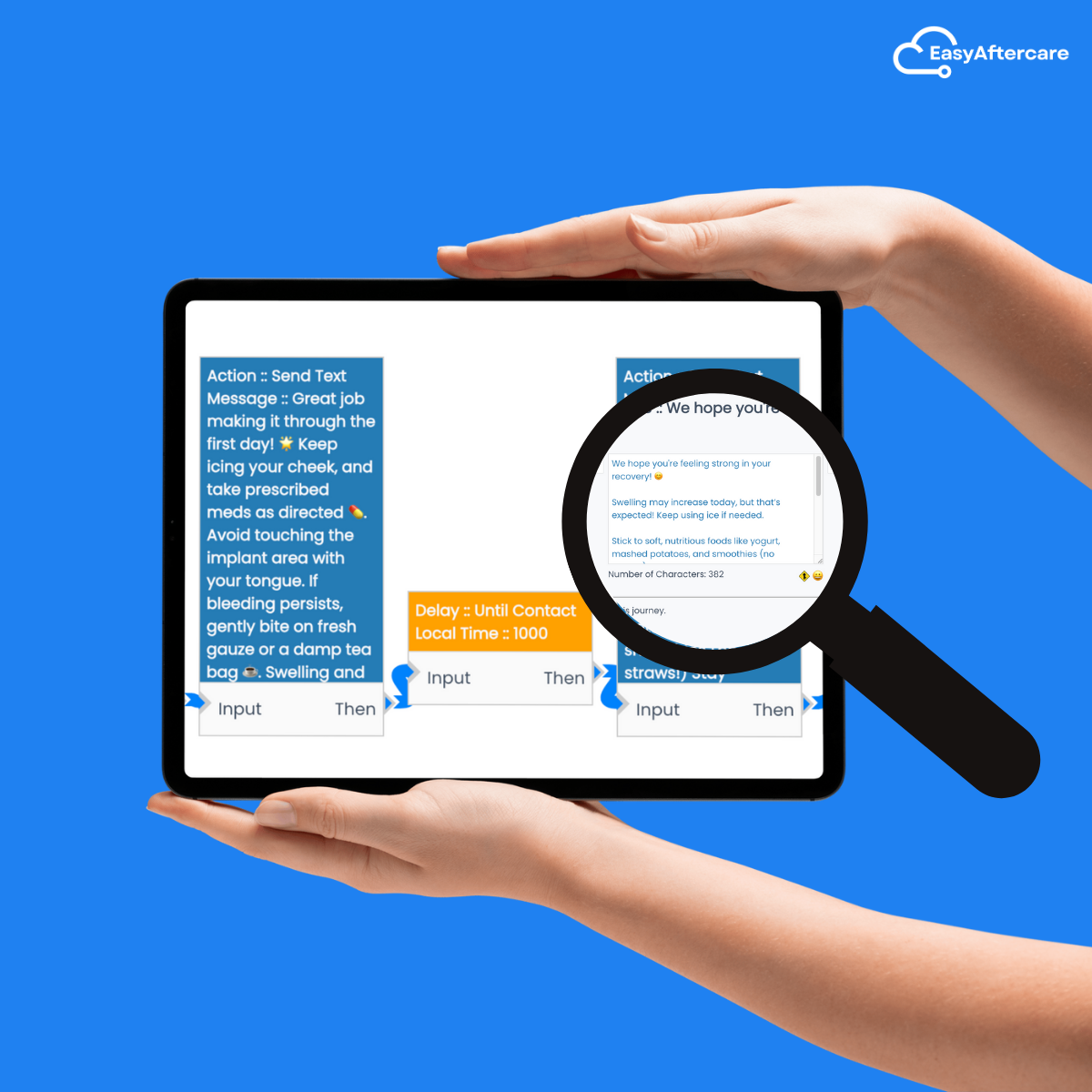
Automated messaging in Easy Aftercare.
5. Voice tech and natural language processing (NLP) are entering the exam room
Documentation fatigue is real. Physicians can spend up to 2 hours on documentation for every hour of patient care. That’s why many are turning to voice-enabled technologies and NLP tools.
Ambient listening solutions can transcribe clinical conversations in real time and auto-fill patient records. This lets providers focus more on the patient, less so on the screen.
As NLP becomes more accurate, we’ll see it embedded in more practice management tools, helping providers reduce burnout.
6. Cybersecurity is a top concern
As technology advances, so does the need for better protection. Healthcare data is among the most valuable (and targeted) in the world. Phishing and data breaches pose major risks not just to systems, but to patient trust.
Forward-thinking healthcare organizations are investing in end-to-end encryption, regular audits, staff training, and HIPAA-compliant cloud solutions.
If you're using third-party tools or platforms, make sure they're secure by design and updated regularly. Cybersecurity isn’t a one-time fix, but a continuous strategy.
7. Patient experience is driving tech innovation
Patients want more than good care. They want a good experience. That means clear communication and access to clear records. Technology is stepping in to meet those expectations.
Patient portals, mobile apps, and integrated texting solutions are now central to care delivery. The easier it is for patients to ask questions and manage their care, the better outcomes you’ll see.
In fact, studies show that better patient engagement leads to higher satisfaction and even fewer readmissions.
Healthcare Tech Goes Beyond Big Hospitals
While large hospital systems often lead the way in technology adoption, today’s tools are more accessible than ever to private practices and outpatient providers.
The best part? You don’t need a massive IT team or budget to implement impactful solutions.
Platforms like Easy Aftercare make it simple to modernize your communication and deliver a better post-visit experience without complexity.
Whether you're just starting your digital transformation or expanding what you already use, one thing’s clear: the future of healthcare is intelligent and human-centered.

Image credit: Amar Karodkar. This file is licensed under the Creative Commons Attribution-Share Alike 4.0 International license.
What Atul Gawande Taught Us About Aftercare
When you think of modern healthcare breakthroughs, your mind probably jumps to new medications or futuristic tech. Dr. Atul Gawande, a renowned surgeon and public health researcher, has spent much of his career focused on something far less glamorous.
The Checklist sounds simple. Maybe even obvious, but in a field as complex as medicine, Gawande’s work has shown that systematic changes in how we follow up with patients can save lives and create a more humane healthcare experience.
At Easy Aftercare (EAC), we’re carrying that torch. Gawande’s ideas helped expose a critical flaw in modern medicine - too often, what happens after the procedure is left to chance. We believe the same level of care that goes into treatment should extend to recovery, and we’ve built EAC to make that possible.
The Power of a Checklist
In his bestselling book The Checklist Manifesto, Gawande tells a compelling story about how simple checklists have transformed outcomes in surgery and public health campaigns. Even the most experienced professionals make mistakes, not because they’re careless, but because they’re human.
Gawande saw that critical steps were being missed, not due to incompetence, but because healthcare is incredibly complex. Nurses and support staff juggle dozens of decisions in high-pressure environments. Aftercare can get buried under competing priorities and once the patient walks out the door, clinicians often lose visibility.
So Gawande asked: What if we could build systems that ensure the right things happen, every time?
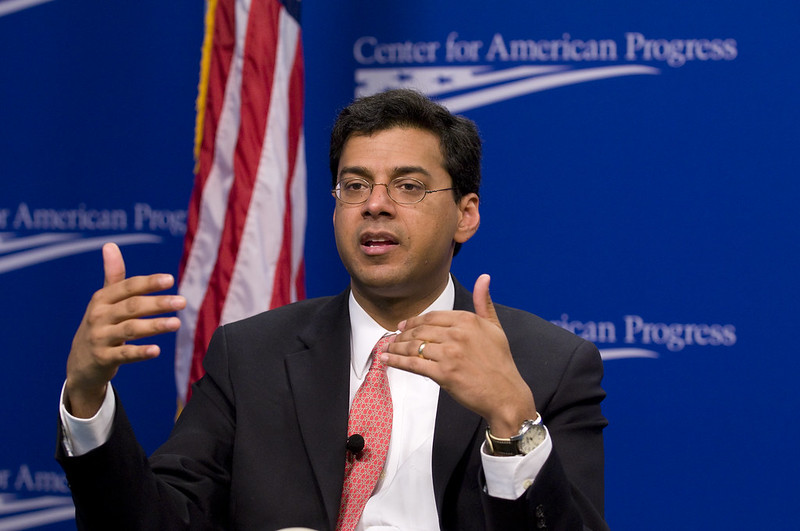
Dr. Atul Gawande speaking for the Center for American Progress
Image credit: Center for American Progress. This file is licensed under the Creative Commons Attribution-Share Alike 4.0 International license.
Beyond the Operating Room
While Gawande’s work often focused on the operating room, his expertise applies just as well to what happens after a procedure. He’s been outspoken about how the lack of follow-up care contributes to readmissions and unnecessary suffering.
In a New Yorker article titled The Hot Spotters, Gawande explored how targeting aftercare for high-need patients led to dramatic improvements in health outcomes. Instead of thinking of discharge as the endpoint, these programs treated it as a transition, requiring thoughtful planning.
This philosophy has slowly begun reshaping how health systems approach recovery. Though implementation remains patchy. Many practices still rely on printed instructions and assumptions that patients will remember everything they were told.
Spoiler, they don’t, and that’s where EAC comes in.
Bridging the Aftercare Gap with EAC
EAC (Easy Aftercare) was born out of this very need. It’s our way of taking Gawande’s principles and building them into everyday healthcare delivery. Especially for small to mid-sized practices that don’t have massive IT budgets or clinical support teams.
Here’s how:
-
Smart, Timed Text Messages: Instead of relying on patients to sift through paperwork, EAC delivers aftercare instructions directly to their phones at the right time. Whether it’s reminding someone to change a bandage or avoid a certain activity, these messages reduce forgetfulness and anxiety.
-
Automation with Built-In Logic: Gawande’s checklists weren’t just static lists, they were designed to guide action. EAC’s journeys do the same. Clinicians can use prebuilt, step-by-step follow-ups that change based on patient responses. If a patient reports pain, they can be prompted to reach out. If they’re recovering well, the journey moves forward. No one is left behind on their recovery journey.
-
Centralized Knowledge Base for Procedures: Another hallmark of Gawande’s approach is creating consistency across teams. EAC’s procedure knowledge base lets practices standardize aftercare routines for every common procedure. That means no more sending inconsistent instructions.
More Care Without Extra Staff
One of the biggest barriers to great aftercare has always been bandwidth. Practices are busy, staff are stretched thin. Even if a doctor wants to call every patient three days after a procedure, there’s rarely time to do it.
Gawande’s genius was in designing tools that don’t add work; Rather, they improve outcomes with minimal extra effort. That’s our goal with EAC too.
Instead of requiring more staff time, EAC empowers your existing team with tools that run in the background. Once a patient’s journey is launched, it runs automatically. Yet it's still personalized, responsive, and rooted in your medical expertise.
Building the Future Gawande Imagined
Atul Gawande has said that “better is possible. It does not take genius. It takes diligence. It takes moral clarity. It takes ingenuity. And above all, it takes a willingness to try.”
We agree.
Better aftercare isn’t exclusive to massive budgets or revolutionary technology. It’s in applying what we know works, like checklists, in a way that’s scalable and sustainable for busy practices.
EAC isn’t a replacement for care. It’s the continuation of it.
We believe that’s exactly what Gawande had in mind.
The Challenges of Patient Aftercare Compliance
In healthcare, the end of a procedure doesn’t mean the end of care. In fact, what happens after the patient leaves the clinic is often just as important as what happens during treatment. But this next phase, known as patient aftercare, is where things can easily fall apart.
One of the most common and costly issues in healthcare is patient non-compliance with aftercare instructions. Whether it's skipping medication doses, neglecting lifestyle changes, or forgetting physical therapy exercises, non-adherence is a widespread problem that can lead to serious consequences.
The Real Cost of Non-Compliance
When patients don’t follow their care plans, recovery slows down. A simple surgery can turn into weeks of complications. Minor infections can escalate into hospital readmissions. What could have been a smooth, cost-effective recovery process turns into something more expensive, both financially and physically.
The ripple effects are significant:
-
Longer recovery times
-
Increased readmissions or ER visits
-
Worsening health outcomes
-
Higher overall costs for patients and providers
The frustration is real for both sides. Healthcare providers know that proper aftercare is essential, but ensuring patient compliance outside the clinic walls has always been a challenge.
Why Patients Struggle with Aftercare
Most patients don’t intentionally ignore instructions, they’re just overwhelmed. After a procedure, people are often anxious and trying to juggle recovery with work and daily life. Paper handouts get misplaced. Verbal instructions are forgotten. And sometimes, patients don’t even realize how important a certain follow-up step is until it’s too late.
It’s not a matter of intelligence or motivation, it’s a matter of information delivery. Patients need help staying on track, and that’s where technology steps in.
A Modern Solution: Automated Text Messaging
One of the most effective and affordable tools in modern healthcare communication is also one of the simplest: automated SMS.
Text messaging isn’t new, but its application in patient aftercare is gaining attention for good reason. It meets patients where they are and delivers the right information at the right time.
Here’s how automated SMS can improve aftercare compliance:
1. Timely Reminders
Patients often forget the little things like when to take medication, when to clean a wound, or when to schedule a follow-up appointment. A quick text message reminder can be the difference between an on-track recovery and a missed step that leads to complications.
2. Ongoing Education
Texts aren’t just for reminders. They can be used to deliver bite-sized educational content that reinforces what patients need to know, such as signs of infection to watch for, or diet changes to support healing.
3. Check-ins and Encouragement
Automated check-in messages can ask patients how they’re feeling or if they have any concerns. Even if it’s a one-way message, it gives patients the sense that someone is paying attention and cares about their progress. That emotional connection can improve motivation and trust.
4. Accessibility and Ease
Not all patients use apps or log into portals, but almost everyone reads their texts. SMS is universal, it doesn’t require a smartphone or learning a new system. That makes it especially useful for older adults or less tech-savvy individuals.
Better Tools Lead to Better Outcomes
Digital health tools like Easy Aftercare (EAC) are designed to bridge the gap between provider instructions and patient action. With EAC's automated SMS journeys, healthcare providers can send personalized, timely messages to guide patients through every stage of their recovery.
Imagine a patient receiving a morning reminder to take their medication, an afternoon tip on wound care, and a follow-up prompt the next day asking how they’re feeling. It’s automated, but it feels personal and it keeps them engaged with their care plan.
Over time, these messages build a safety net of communication. They reinforce instructions and support patients in real time, without requiring extra hours from staff.
Moving Toward Smarter Aftercare
Patient non-compliance is not a new problem, but the tools to address it are getting better. By embracing automated SMS as part of a larger aftercare strategy, healthcare providers can improve patient outcomes, reduce unnecessary costs, and strengthen the provider-patient relationship.
Ultimately, aftercare compliance isn’t only about reminding someone to take a pill. It’s about giving patients the structure and support they need to heal. With the right technology in place, we can make that support smarter and more effective - one text message at a time.
How SMS Aftercare Improves Patient Outcomes
When a patient leaves your office, clinic, or surgical center, the care shouldn’t stop. In fact, the moments after a procedure or treatment can make or break recovery success. Yet too often, aftercare is left to a paper handout or worse, a patient’s memory.
Enter SMS aftercare.
Text-based follow-ups are transforming the way providers deliver care outside the office, keeping patients informed, connected, and on track. At Easy Aftercare, we’ve seen firsthand how something as simple as a timely text can make a major difference in patient satisfaction and recovery outcomes.
Here’s how SMS aftercare improves patient outcomes and why more healthcare providers are adopting this smart, scalable solution.
1. Better Adherence to Aftercare Instructions
Let’s face it: paper instructions get lost, and email often goes unread. But a text message? That gets seen.
SMS messages have a 98% open rate. Most within the first few minutes. This makes them one of the most effective channels for delivering post-visit instructions, whether it’s reminding someone to take their medication or clean their wound.
With Easy Aftercare, you can schedule these reminders based on the procedure, sending them exactly when they’re needed. No confusion, no missed steps. Just clear, timely guidance.
2. Reduced Complications and Readmissions
One of the biggest drivers of poor outcomes post-procedure is misunderstanding. Patients often leave feeling overwhelmed or simply unsure of what to do next. That uncertainty can lead to skipped meds, improper wound care, or delays in reporting symptoms.
By using SMS to reinforce instructions and check in proactively, providers can catch red flags early. A simple “How are you feeling today?” text can uncover pain, swelling, or signs of infection before they become serious.
Fewer complications mean fewer ER visits, fewer readmissions, and better patient safety.
3. Increased Patient Engagement
Engaged patients are healthier patients. When someone feels cared for and connected, they’re more likely to follow through and stay involved in their recovery. SMS aftercare helps build that connection.
Texts can be used to:
-
Offer encouragement (“You’re on day 3—keep it up!”)
-
Share bite-sized tips (“Remember: no heavy lifting today”)
-
Check on progress (“Have you been able to keep food down today?”)
The result? Patients feel like their provider is walking with them through recovery, not just sending them out the door.
4. Customized Journeys for Every Procedure
One-size-fits-all doesn’t work in healthcare. That’s why SMS aftercare should be flexible and personalized.
Easy Aftercare provides journeys tailored to the type of procedure or condition. From wisdom teeth removal to orthopedic surgery, we give you touchpoints and messaging that align with what your patient needs.
You can even adjust the tone and content based on age, caregiver involvement, or prior experience, making each journey feel more personal and relevant.
5. Lower Staff Workload (Without Lowering Care Quality)
A common myth about automated aftercare is that it’s impersonal. But the truth is, automation lets your team focus on high-touch care where it matters most. Routine reminders and wellness checks can be handled through SMS, freeing up your staff to deal with more complex needs or urgent cases.
With Easy Aftercare, everything is managed from one dashboard. Responses can be triaged or passed to the right person when needed, ensuring that no patient gets lost in the shuffle.
6. Easier Feedback and Monitoring
Want to know how your patients are doing or even how your team is doing? Just ask. SMS is a great way to collect feedback after a procedure. Whether it’s a star rating or a short survey, these insights help you improve care quality and spot trends over time.
Easy Aftercare makes it easy to build these surveys into the aftercare flow, so you get real-time data without needing to chase down responses.
7. More Accessible and Inclusive Care
Not every patient has access to an app. Not everyone wants to log into a portal. SMS works for nearly everyone, no smartphone or internet required. That makes it a powerful tool for expanding access to care and keeping communication simple and inclusive.
Patients of all ages and tech levels are familiar with texting. It’s a format they’re comfortable using, which lowers barriers and increases the chances they’ll engage with your instructions.
8. Stronger Trust and Satisfaction
When patients feel informed and supported, they trust their provider more. They’re also more likely to return, refer others, and leave positive reviews.
SMS aftercare shows that you’re invested in the whole patient journey, not just what happens inside the exam room. It’s a small touch that can have a huge impact on how people experience your practice or facility.
The Takeaway
Aftercare doesn’t have to be complicated. With the right tools, you can support patients in real-time with guidance that fits right into their daily life.
SMS aftercare with Easy Aftercare improves outcomes by:
-
Reinforcing instructions
-
Preventing complications
-
Encouraging engagement
-
Personalizing journeys
-
Easing staff workload
-
Gathering feedback
-
Expanding access
-
And strengthening trust
It’s the kind of care people remember and the kind that gets results.
Want to see how Easy Aftercare works? Schedule a quick demo and discover how simple it is to create automated, text-based journeys that improve recovery and reduce risk.
Your patients deserve the best. Let’s make sure they get it - every step of the way.
Are You Keeping Clients Engaged After Treatment?
Your relationship with a client doesn’t end when they walk out the door. In fact, post-treatment engagement is crucial for building long-term loyalty, and generating positive word-of-mouth referrals. However, many businesses fail to maintain a connection after a service is completed, leading to lost opportunities and lower retention rates.
Clients need clear guidance on aftercare and an easy way to communicate if they have questions or concerns. A well-structured aftercare strategy ensures they feel supported, increasing satisfaction and trust in your services. Keeping clients engaged is about building lasting relationships.
Common Challenges in Maintaining Engagement
Many businesses struggle to keep clients engaged after treatment because they lack efficient systems to stay in touch. Manual follow-ups can be time-consuming, and generic emails often go unnoticed. Without the right tools, it’s easy for clients to feel abandoned, leading them to seek services elsewhere.
Other common challenges include:
-
Lack of personalization: Generic messages fail to resonate with clients, making them feel like just another number.
-
Inefficient communication channels: Some businesses rely solely on email, ignoring the effectiveness of SMS or app notifications.
-
Inconsistent follow-ups: A one-time check-in isn’t enough, ongoing engagement requires a structured plan.
-
Limited access to information: Clients often have questions after treatment but may hesitate to reach out directly, leading to uncertainty and frustration.
How Smart Aftercare Keeps Clients Engaged
A structured, automated aftercare system helps maintain engagement effortlessly. Here’s how:
Automated Follow-Ups for Consistent Communication
Timely communication is key to making clients feel valued. Automated SMS and email reminders provide essential post-treatment instructions and invite them to ask questions. Personalized messages show clients you care about their well-being and encourage ongoing interaction.
For example, a skincare clinic could send follow-up messages reminding clients of post-treatment dos and don’ts, while a physical therapy center might check in on a patient’s progress and suggest next steps.
Providing a Knowledge Hub for Self-Service Support
Clients often have questions after treatment but may hesitate to reach out directly. A self-service knowledge base with FAQs, instructional videos, and detailed aftercare guides empowers them to find answers quickly. This not only improves their experience but also reduces the burden on your staff.
By offering a well-organized resource center, practices can increase engagement while freeing up their team to focus on more complex client needs. Whether it’s a step-by-step guide on recovery exercises or a video walkthrough on skincare routines, accessible information improves the client's experience.
Encouraging Feedback and Reviews for Continuous Improvement
Actively seeking feedback helps improve services and strengthen client relationships. Automated surveys can capture insights on their experience, while gentle nudges for online reviews can boost your reputation. Engaged clients are more likely to refer others and return for future services.
For example, after a dental procedure, an automated survey can ask about the appointment experience and any concerns they may have. If they rate their experience highly, they can be encouraged to leave a review, while dissatisfied clients can be directed to support for resolution.
Personalized Journeys for Long-Term Retention
Engagement shouldn’t stop after the first follow-up. Personalized journey automation allows you to send relevant content based on their treatment history. Whether it’s exclusive offers or educational content, ongoing communication keeps clients connected to your brand.
A spa could create an automated journey that sends relaxation tips a week after a massage, offers a special discount for a second visit, and shares wellness insights over the next few months.
Appointment Reminders and Future Booking Prompts
Clients are more likely to return when you make it easy for them. Automated reminders for upcoming treatments, seasonal check-ins, or exclusive rebooking offers ensure they stay engaged. By integrating this into text messaging, you increase the likelihood of repeat visits.
How Easy Aftercare Simplifies Engagement
Easy Aftercare simplifies post-treatment communication through:
-
Automated SMS and email follow-ups to maintain client relationships.
-
A centralized knowledge base for instant access to aftercare instructions.
-
Customizable engagement workflows to ensure no client is overlooked.
-
Survey and feedback collection tools to improve services and gather reviews.
-
Intelligent appointment reminders and rebooking prompts to encourage future visits.
With Easy Aftercare, businesses can create a seamless post-treatment experience that keeps clients informed, engaged, and eager to return.
Building Long-Term Client Relationships
Keeping clients engaged after treatment consists of building lasting relationships that lead to loyalty, trust, and advocacy. A well-planned aftercare strategy powered by automation ensures no client feels forgotten.
By implementing a smart aftercare strategy, you can turn one-time clients into loyal advocates who trust and return to your services. Ready to enhance your client engagement? Start with Easy Aftercare today!
Aftercare Essentials: How a Knowledge Base Transforms Aftercare
Providing effective aftercare means ensuring patients have easy access to accurate, up-to-date recovery information. A well-organized knowledge base helps streamline communication, reduces confusion, and supports better patient outcomes.
Understanding the Aftercare Knowledge Base
An aftercare knowledge base is a centralized repository for essential post-treatment guidance. It allows healthcare teams to store, organize, and easily access standardized care instructions, ensuring patients receive accurate and consistent aftercare support.

Hair removal procedure knowledge base article in Easy Aftercare
Why a Knowledge Base Matters in Aftercare
Providing Consistent Guidance
A structured knowledge base ensures every patient receives the same high-quality instructions, reducing confusion and improving adherence to care plans.
Enhancing Accessibility for Care Teams
Providers can quickly retrieve relevant aftercare information, improving response times to patient inquiries for efficiency.
Reducing Redundant Questions
Patients and caregivers can access self-service information, reducing the number of repetitive inquiries and freeing up staff for more critical tasks.
Keeping Aftercare Up-to-Date
Healthcare organizations can regularly update aftercare instructions, ensuring patients receive the most effective recommendations.
Improving Patient Outcomes
By giving patients easy access to the right information, a knowledge base supports better adherence to care plans and fosters recovery.
Implementing an Aftercare Knowledge Base in Your Practice
1. Organize Aftercare Topics
Structure content by procedure, condition, or treatment type to make navigation intuitive for both staff and patients.
2. Use Clear, Actionable Language
Ensure instructions are easy to understand, avoiding medical jargon that may confuse patients.
3. Enable Search and Categorization
A well-organized knowledge base should allow users to quickly find relevant information through search and category filters.
4. Update Regularly
Review and refine content to reflect the latest best practices and treatment recommendations.
Elevating Aftercare with a Centralized Knowledge Base
A well-maintained aftercare knowledge base empowers both providers and patients, ensuring seamless access to essential recovery information. With structured, up-to-date guidance in place, healthcare teams can improve patient outcomes while enhancing operational efficiency.
Easy Aftercare simplifies knowledge management, so your team can deliver reliable, high-quality aftercare support.
How SMS Journeys Improve Patient Care
In healthcare, clear communication is critical. Especially when it comes to aftercare. Once a patient leaves your office, their ability to follow instructions can make all the difference in their recovery. But too often, aftercare guidance gets lost in the shuffle of daily life. This is where SMS journeys step in, offering a simple yet powerful way to keep patients informed, engaged, and on track.
What Are SMS Journeys?
SMS journeys are automated text message sequences that deliver the right information at the right time. Unlike one-off reminders, these journeys create a guided experience tailored to each patient’s needs. Whether it’s a post-procedure care plan, medication reminders, or follow-up appointment scheduling, SMS journeys ensure patients receive timely and relevant updates.

SMS aftercare journey in Easy Aftercare
The Benefits of SMS Journeys in Aftercare
Increased Patient Compliance
Patients are more likely to follow aftercare instructions when they receive timely, easy-to-digest reminders. SMS messages cut through the noise of emails and paper instructions, ensuring that patients have the information they need right at their fingertips.
Reduced No-Shows and Readmissions
Missed follow-ups and improper care often lead to complications. SMS journeys can automatically remind patients to schedule their next visit or check in about symptoms, reducing the risk of unnecessary hospital readmissions.
Personalized and Adaptive Messaging
Every patient’s journey is different. SMS automation allows you to customize messages based on the procedure performed, patient condition, or response to prior messages. If a patient reports concerns through a response prompt, your team can step in proactively.
Time-Saving for Your Staff
Manually following up with each patient is time-intensive. With SMS journeys, staff can focus on in-person care while automated messages handle routine follow-ups. This balance improves efficiency without compromising patient care.
Enhanced Patient Satisfaction
Patients appreciate a seamless aftercare experience. Knowing that their provider is still looking out for them post-visit fosters trust and strengthens the patient-practitioner relationship.
How to Implement SMS Journeys in Your Practice
1. Identify Key Aftercare Touchpoints
Determine when patients need the most guidance—right after a procedure, during medication schedules, or before a follow-up visit.
2. Build Your SMS Workflow
Map out a sequence of messages that guide patients through their recovery. Ensure each message is clear, actionable, and relevant to their treatment.
3. Use a Reliable SMS Automation Platform
Choose a system like Easy Aftercare that allows you to set up automated workflows, track patient interactions, and customize messaging based on individual needs.
4. Personalize Where Possible
A generic message won’t have the same impact as a personalized one. Use patient names, reference their procedure, and provide tailored guidance whenever feasible.
5. Monitor and Adjust
Regularly review the effectiveness of your SMS journeys. If certain messages aren’t getting responses or patients still need additional support, tweak the messaging and timing accordingly.
The Future of Aftercare is Digital
Patients expect convenience, and healthcare providers need efficiency. SMS journeys bridge this gap, ensuring aftercare is seamless, accessible, and effective. By integrating automated text-based follow-ups into your practice, you’re not only improving patient outcomes but also streamlining your workflow.
Ready to enhance patient care with SMS automation? Easy Aftercare makes it simple. Let’s get started today!
Aftercare Essentials: How Workflows Improve Patient Support
Delivering effective aftercare requires organization and timely follow-ups. Whether it's tracking patient progress or ensuring critical steps aren’t overlooked, workflows help streamline operations and keep care teams informed.
Understanding Workflows
Workflows are automated systems that trigger specific actions based on events. They act as an extra set of hands, keeping providers on top of follow-ups, scheduling, and administrative tasks without increasing workload.
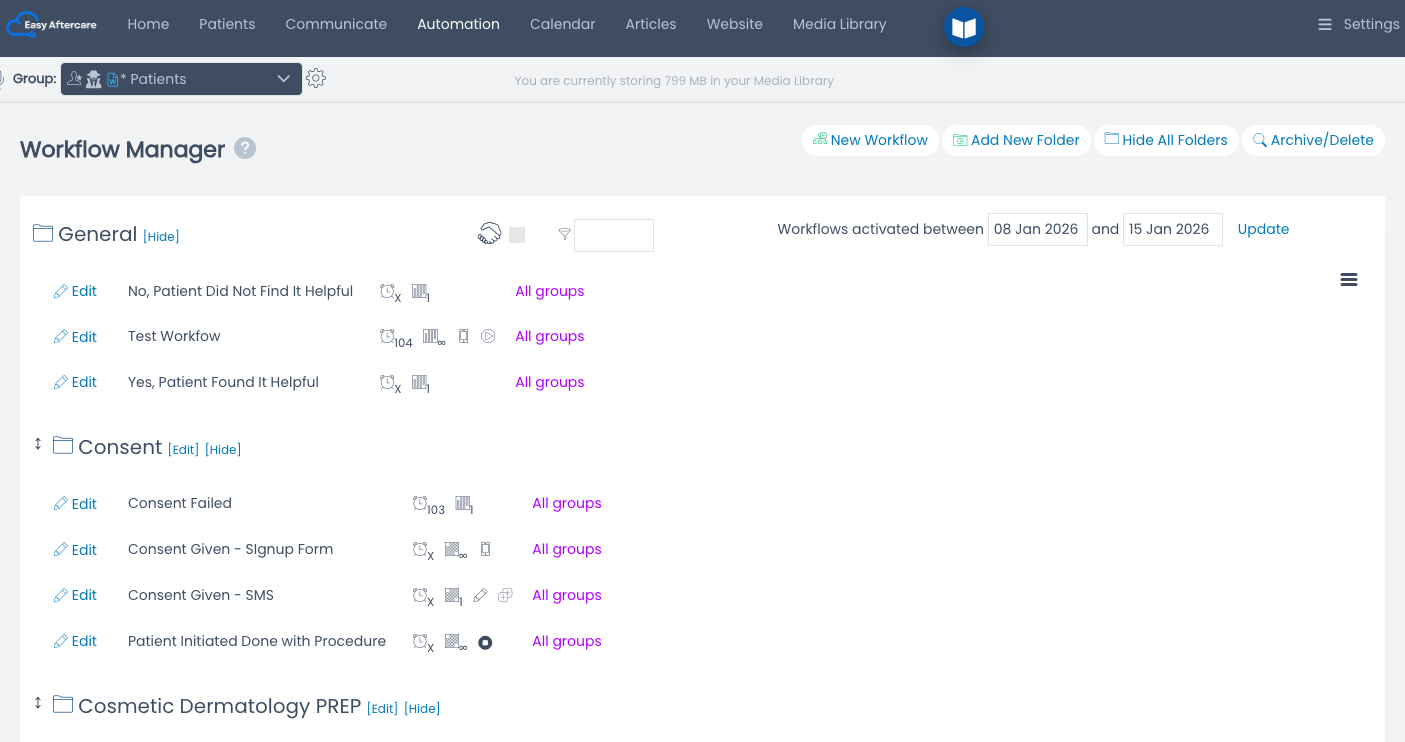
Workflow manager in Easy Aftercare
Why Workflows Matter in Aftercare
Organize Patient Follow-Ups
Workflows ensure that staff members are assigned tasks like scheduling check-ins or updating records, keeping aftercare structured and efficient.
Reduce Administrative Burden
By automating task assignments, workflows prevent important steps from slipping through the cracks while allowing staff to focus on patient care.
Track Progress and Care Plans
Providers can set workflows to update patient records, log completed tasks, or trigger necessary actions, ensuring every step of aftercare is properly documented.
Enhance Team Collaboration
Workflows help coordinate between departments by automatically assigning tasks to the right team members, streamlining communication and accountability.
Standardize Aftercare Processes
By automating routine steps, workflows create consistency in how patients receive follow-ups, improving overall care quality.
Implementing Workflows in Your Practice
1. Define Key Aftercare Steps
Identify necessary tasks like progress check-ins, medication tracking, or follow-up scheduling.
2. Set Up Workflow Sequences
Workflows should trigger the right actions at the right time, ensuring a seamless process from treatment to recovery.
3. Automate Task Assignments
Rather than relying on manual tracking, workflows automatically delegate follow-up duties to staff members.
4. Monitor and Adjust
Regularly review workflow efficiency to refine and improve processes, ensuring optimal patient support.
Elevating Aftercare Efficiency with Workflows
Workflows keep aftercare organized by automating follow-up assignments, tracking patient progress, and reducing administrative strain. With structured workflows in place, healthcare teams can focus on delivering quality care while ensuring no critical steps are missed.
Take control of your aftercare processes. Easy Aftercare simplifies workflow automation so your team can provide seamless patient support.
In healthcare, compliance isn’t just about whether a patient wants to follow instructions, it’s about whether they can. Between stress, information overload, and competing life demands, even the most motivated patients can miss critical steps in their care journey.
This is where psychology plays a decisive role. Consistent perioperative messaging, communication before, during, and after a procedure, leverages behavioral principles to guide patients toward better adherence and outcomes.
Why Patients Struggle to Comply
Non-compliance is never intentional. Research and clinical experience show that patients often leave procedures overwhelmed and anxious. Instructions delivered verbally or on paper are easily forgotten or misplaced, especially when patients are recovering or distracted.
From a psychological standpoint, this reflects a mismatch between cognitive load and information retention. When too much information is delivered at once, especially during stressful moments, people retain only a fraction of it. Factor in the pain during recovery, and it’s easy for patients to forget, or misplace, their aftercare instructions.
The Power of Consistency and Timing
Behavioral science tells us that timing and repetition are key drivers of habit formation and compliance. Messages delivered at the right moment, not all at once, are far more likely to influence behavior.
This is where perioperative messaging excels. By spacing communication across the care journey, providers can:
- Reinforce key actions when they matter most
- Reduce anxiety by setting clear expectations
- Build a sense of ongoing support and accountability
Timely digital communication improves patient knowledge, adherence, and satisfaction – especially when delivered in shorter, frequent intervals.
In other words, consistent messaging turns overwhelming instructions into manageable steps.
Psychological Drivers Behind Effective Messaging
Several core psychological principles explain why consistent perioperative communication works:
The “Nudge” Effect
Small reminders, like a text to take medication, act as behavioral nudges. These prompts reduce reliance on memory and make the desired action the easiest one.
Reduced Anxiety = Better Decisions
Uncertainty fuels anxiety, and anxiety impairs decision making. Clear, ongoing communication helps patients feel in control, which improves both emotional and physical outcomes.
Social Connection and Accountability
When patients feel “checked in on,” they’re more likely to follow through. Even automated messages can create a sense of human connection when written conversationally and with empathy.
Habit Formation Through Repetition
Repeated exposure to instructions delivered over time helps turn one-time actions into routines, increasing long-term adherence.
Where Traditional Communication Falls Short
Traditional perioperative communication often relies on a single moment: discharge. Unfortunately, this is one of the worst times for learning. Patients are tired, sometimes medicated, and eager to go home.
Without reinforcement, even well-explained instructions degrade quickly. The result? Missed medications, improper wound care, and preventable complications. All of which increase costs and risk.
How Easy Aftercare Applies These Principles
Easy Aftercare is designed to align with the psychology of compliance by delivering structured, consistent messaging throughout the patient journey.
Here’s how:
Timely, Automated SMS Reminders
Instead of relying on memory, patients receive instructions exactly when they need them. Whether it’s taking medication, changing a dressing, or attending a follow-up. This reduces missed steps and keeps recovery on track.
Personalized Care Journeys
Every patient’s situation is different. Easy Aftercare tailors messaging based on procedure type and even comorbidities, ensuring relevance and clarity.
Ongoing Education in Bite-Sized Formats
Rather than overwhelming patients with long documents, information is delivered in digestible pieces, often with links to videos or guides.
Two-Way Communication and Reassurance
Patients can respond to messages or access support, reinforcing the feeling that they are not alone in recovery.
Consistency Across the Entire Journey
From pre-op preparation to post-op recovery, messaging is continuous and structured. This consistency builds trust and reinforces expectations, which are critical for compliance.
The Bigger Impact: Outcomes and Experience
Consistent perioperative messaging doesn’t just improve compliance, it transforms the patient experience. It reduces complications and strengthens trust between patients and providers. In fact, structured digital communication has been shown to decrease unnecessary calls and improve satisfaction scores.
At its core, this approach recognizes a simple truth: patients don’t fail instructions—systems fail patients when communication is inconsistent or poorly timed.
Final Thoughts
The psychology of compliance is not about forcing behavior, it’s about designing systems that make the right behavior easier. Consistent perioperative messaging does exactly that by aligning communication with how people actually think, feel, and act.
By combining behavioral science with technology, solutions like Easy Aftercare turn fragmented instructions into a cohesive, supportive journey.

For many patients, the most difficult part of a medical procedure isn’t the procedure itself. It’s the anticipation. Fear of pain, uncertainty surrounding recovery, and other concerns can create significant stress before a procedure even begins.
In fact, feeling anxious before medical treatment is extremely common, often stemming from fear of the unknown, discomfort, or loss of control.
One of the most effective ways to reduce that anxiety isn’t only better care after the procedure, it’s better communication before the procedure happens. This concept, often referred to as pre-care, helps patients feel informed, prepared, and supported well in advance.
When patients understand what recovery will look like and have clear pre- and post-care guidance, their confidence increases and their stress decreases.
The Link Between Uncertainty and Anxiety
Anxiety before medical procedures is often driven by uncertainty. Patients commonly wonder questions like:
- Will the procedure hurt?
- How long will recovery take?
- What should I do once I get home?
- What complications should I watch for?
When these questions go unanswered, patients may imagine worst-case scenarios. Research shows that providing clear explanations about what will happen before, during, and after a procedure helps ease anxiety and gives patients a stronger sense of control.
In other words, information is powerful. The more prepared a patient feels, the less intimidating the experience becomes.
Why Messaging Should Start Before the Procedure
Traditionally, follow-ups and aftercare information are given after the procedure is complete, often when patients are tired, groggy, or overwhelmed. Unfortunately, that’s the worst time for learning.
Pre-care shifts that timeline. Instead of waiting until discharge, providers can slowly introduce some aftercare instructions beforehand so patients can absorb the information at their own pace. This approach offers several benefits:
1. Reduced anxiety
Knowing what recovery will look like eliminates many of the unknowns that fuel anxiety.
2. Better adherence to instructions
Patients who understand their aftercare plan ahead of time are more likely to follow it correctly.
3. Improved recovery outcomes
Preoperative education has been shown to reduce pain levels and improve recovery experiences after procedures.
4. Empowered patients
Clear guidance helps patients feel like active participants in their own care rather than passive recipients.
The Problem With Traditional Paper Instructions
Even when providers give instructions, they’re often delivered as printed sheets or dense packets of medical information. These materials can be easy to lose, difficult to read, or overwhelming to process.
Patients may leave an appointment with good intentions, only to forget key details once they return home. If questions arise during recovery, they may struggle to find answers quickly, resulting in increased calls to your office for standard things, potentially delaying the care of someone else in need.
That’s why modern healthcare providers are increasingly turning toward digital solutions that help make aftercare instructions more accessible, engaging, and easy to follow.
Making Aftercare Simple and Accessible
Digital platforms like Easy Aftercare are designed to bridge the gap between home, the clinic, procedures, and recovery. Instead of relying on paper instructions alone, providers can deliver clear, structured aftercare guidance through easy-to-access digital formats.
This approach allows patients to:
- Review instructions anytime on their phone
- Revisit important information during recovery
- Share instructions with family members or caregivers
- Feel confident they’re following the right steps
By delivering this information to the device patients use the most in their day-to-day lives, patients gain clarity about the entire process—from preparation to recovery.
Building Trust Through Transparency
Another major benefit of pre-care messaging is trust. When patients feel informed and supported, they’re more likely to trust their healthcare provider and feel satisfied with their overall experience.
Failing to address patient anxiety can negatively impact both satisfaction and outcomes. Highly anxious patients may perceive more pain during procedures and may be less likely to follow treatment recommendations. If anxiety is bad enough, they might cancel at the last minute, leaving you with an opening you can’t fill in time.
Pre-care helps prevent those issues by creating a transparent, supportive care journey.
A Better Experience for Everyone
Reducing procedure anxiety isn’t just beneficial for patients, it also improves the workflow for healthcare providers. When patients understand what to expect and how to care for themselves afterward, there are fewer complications, fewer follow-up questions, and smoother recoveries overall.
Ultimately, pre-care is about preparing patients for success. By delivering simple, accessible instructions ahead of time, healthcare providers can transform uncertainty into confidence and anxiety into reassurance.
When patients know what comes next, they can focus less on fear and more on healing.
| 

 SMS Follow-Ups